FT-6025H Fiber Laser Cutting Machine
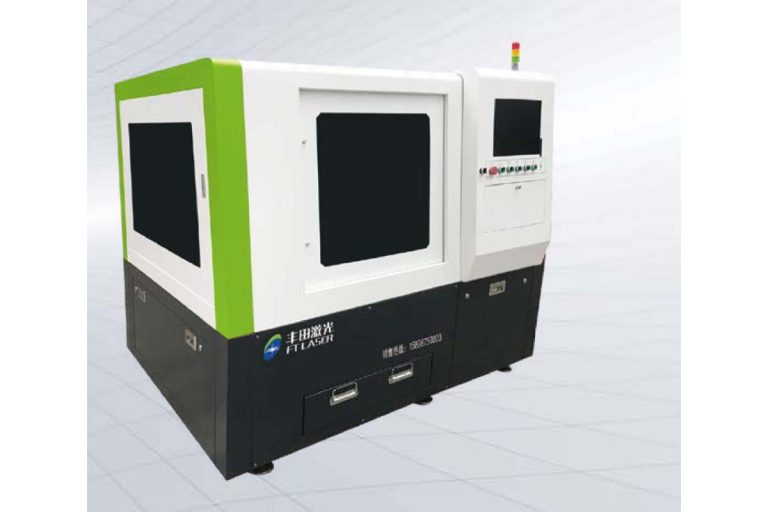
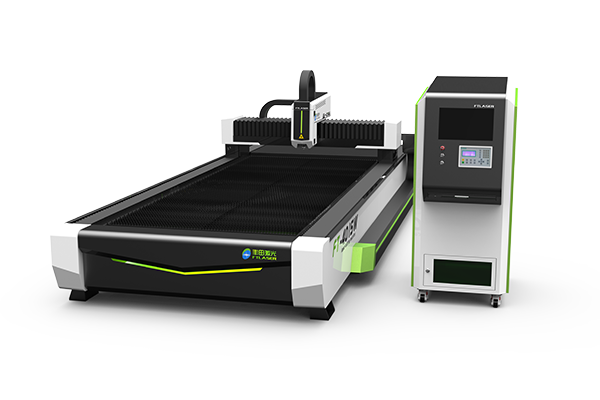
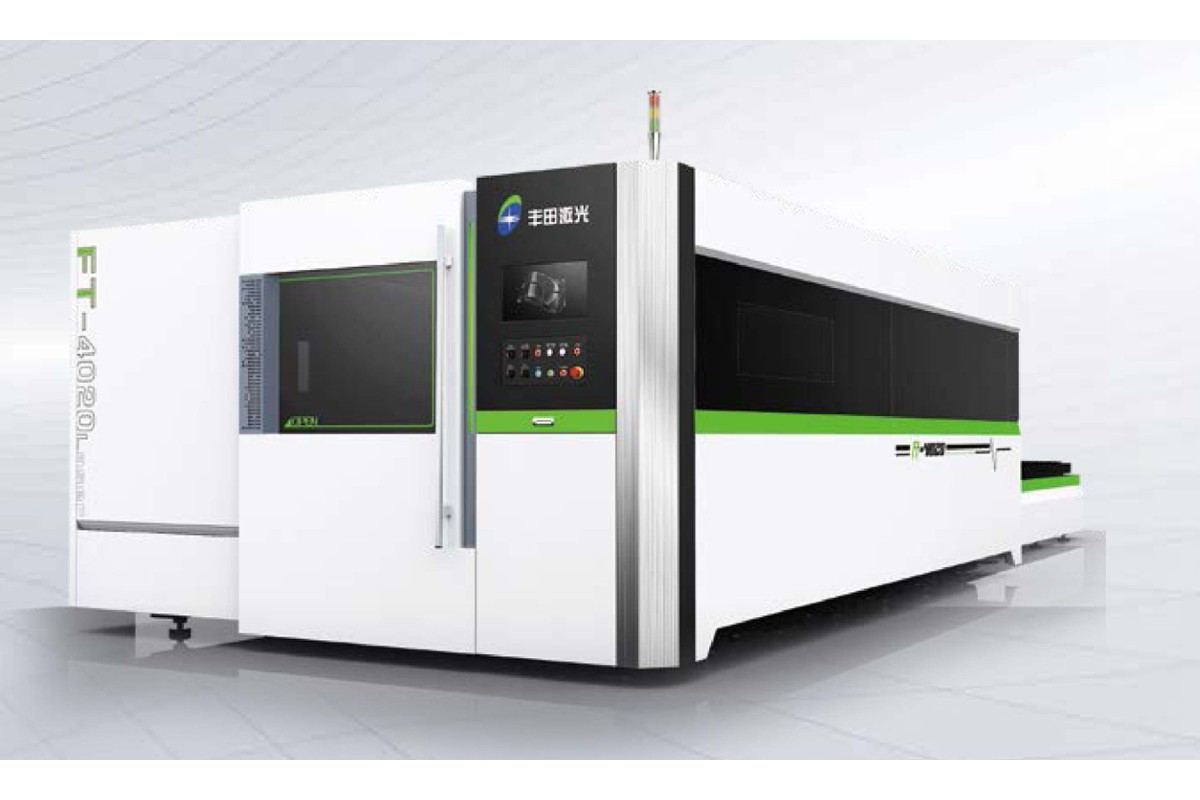
The FT-6025H is a full-enclosure sheet metal fiber laser cutting machine with a catalogue working area of 6030 x 2520 mm. It is intended for buyers comparing a larger sheet format with an enclosed processing zone and a defined loading, extraction and service plan.
| Working area | 6030 x 2520 mm |
| Laser power options | 3000 / 6000 / 12000 / 20000 W |
| Maximum running speed | 120 m/min |
Images are taken from the product catalogue. Application examples illustrate possible component types; they are not sample-cut acceptance records.
Technical Specifications
| Working area | 6030 x 2520 mm |
| Laser power options | 3000 / 6000 / 12000 / 20000 W |
| Maximum running speed | 120 m/min |
| Maximum acceleration | 1.2 G |
| X/Y positioning accuracy | ±0.02 mm |
| Transmission | Gear rack |
| Listed machine weight | 10000 kg |
| Listed electrical supply | 380 V, 50-60 Hz; confirm order configuration |
Specifications above follow the catalogue configuration. Final dimensions, component selection and utilities must match the confirmed order. Running speed is not a guaranteed cutting speed; positioning accuracy is not a blanket finished-part tolerance.
Why Evaluate an Enclosed Sheet Laser Cutter?
The FT-6025H combines a six-metre-class working format with an enclosure around the cutting zone. For a factory handling long stainless steel or carbon steel components, the purchasing question is how the whole cell will operate: where material enters, how parts leave, how operators observe the process and how fumes are extracted.
An enclosure is only one part of the installation. Confirm door access, interlocks, viewing arrangements, extraction connection points and the operating procedure for the delivered machine. Do not infer a particular laser safety classification, emission performance or certification from a photograph. Request the applicable documentation and review the final installation requirements.
Match the Bed to Your Sheet and Part Mix
The listed working area is 6030 x 2520 mm. Check the exact sheet dimensions, edge allowances and part orientation needed for your normal nests. Large panels may fit geometrically while still needing a careful handling plan to prevent marking or distortion during unloading. Confirm the permissible sheet load separately; the machine mass is not its material carrying capacity.
Typical projects to submit for review include equipment covers, enclosure blanks, kitchen equipment panels, brackets and other flat components. The catalogue application photographs show possible component types rather than proof that every alloy, finish or thickness is covered by one configuration. Send the actual drawings and quality requirements so the cutting process can be assessed.
Power Selection from 3 to 20 kW
The catalogue lists 3, 6, 12 and 20 kW options. Choose among them using the thicknesses you process regularly and the output required from a shift. Separate the requirement for everyday acceptable edge quality from any occasional maximum separation cut. This avoids paying for a configuration that does not improve the jobs your factory actually runs.
For stainless steel, agree on acceptable edge color, dross and cleanup before welding or assembly. For carbon steel parts headed to painting or powder coating, assess the edge preparation required by that downstream process. Use our assist-gas selection guide for sheet metal cutting to prepare the gas comparison, then verify it with your sample nest.
Extraction and Access Need a Joint Review
Ask how extraction covers the active cutting area and how the enclosure will be cleaned. Request the extraction duty and connection details for the quoted configuration. A photograph of a closed cover does not demonstrate fume capture, filtration efficiency or compliance at your installation. Those items need the specified equipment and operating conditions.
Check access for clearing scrap, replacing slats, maintaining motion components and servicing the cutting head and cooling package. A layout that looks compact on paper can become difficult to maintain if the surrounding aisle is used for sheet storage. Reserve service clearances and define how operators will collect finished parts without creating a queue at the machine.
Test the Parts That Determine Acceptance
Prepare a sample nest containing the features that matter to your factory: a long straight edge, small holes, corners, bend-relief slots and any visible faces. Use your normal material grade and surface condition. Record the processing setup and inspect cooled parts using the agreed measuring equipment.
The catalogue positioning figure of ±0.02 mm is not a promise that every finished component will hold that tolerance. Material flatness, heat, geometry and the cut recipe affect the result. Where underside burrs are a concern, our fiber laser cutting dross troubleshooting guide can help your team separate process issues from handling and material problems.
Compare Output and Operating Cost
Count the time for material loading, positioning, piercing, cutting, unloading and sorting. The maximum running speed of 120 m/min describes motion capability rather than the cutting speed on a chosen plate. A full-nest trial with accepted parts gives a more useful basis for capacity planning.
Build the operating budget around the selected configuration: laser and auxiliary electricity, cooling, gas, extraction filters, protective windows, nozzles and labor. Obtain a list of supplied consumables and a maintenance schedule. If comparing the enclosure with an open-bed alternative, include the different workshop access and handling requirements rather than assuming a fixed productivity advantage.
Frequently Asked Questions
Does full enclosure mean no extraction equipment is needed?
No. The enclosure and extraction system must be specified together. Confirm the required airflow, filtration, connection and maintenance arrangements for the process.
Does this page guarantee a particular table-exchange system?
No. Ask for the table arrangement, loading sequence and component list in the quotation. Only the confirmed supply scope should be used for production planning.
Can it process a protective-film-covered stainless sheet?
Submit the film type, sheet grade, thickness and surface requirement for a trial. Approve both the cut and the visible-face condition before adopting a production recipe.
Request an FT-6025H Installation Proposal
Send your material mix, largest sheets, representative drawings and required daily output through our enclosed laser cutting machine enquiry page. Include workshop dimensions, available utilities and the intended unloading method. Ask for a configuration, extraction specification, installation layout and sample acceptance plan that your production team can review together.