The assist gas you choose for fiber laser cutting affects the cut edge, the amount of cleanup before welding or coating, and the cost per accepted part. Oxygen is a common choice for carbon steel, nitrogen is the usual starting point for stainless steel when edge oxidation matters, and compressed air is worth trialing when the drawing allows some discoloration.
Oxygen for carbon steel
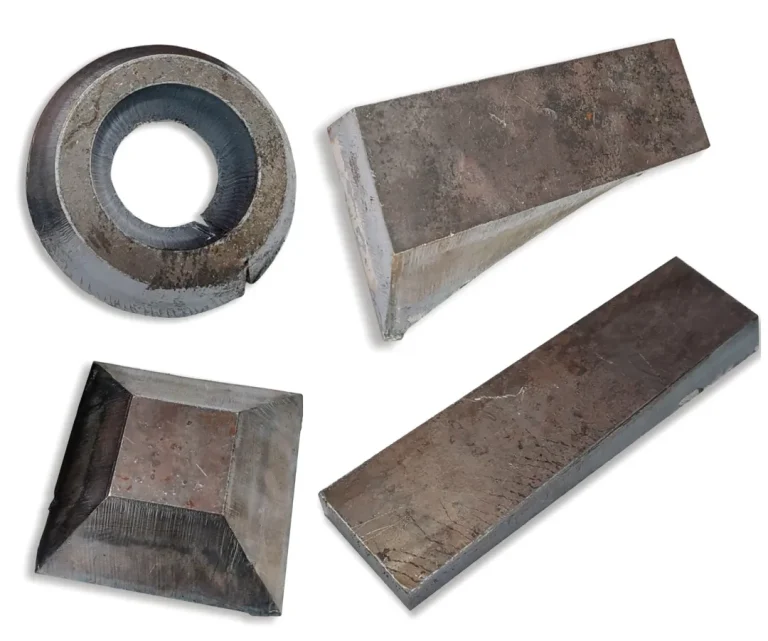
Oxygen reacts with hot steel and adds heat at the cut front. That makes it a practical option for many carbon steel jobs, especially as plate thickness increases. The reaction leaves an oxide layer on the cut face. If the edge will be powder coated or welded, check whether your downstream process requires that layer to be removed before approving the cut.
Nitrogen for a low-oxidation edge
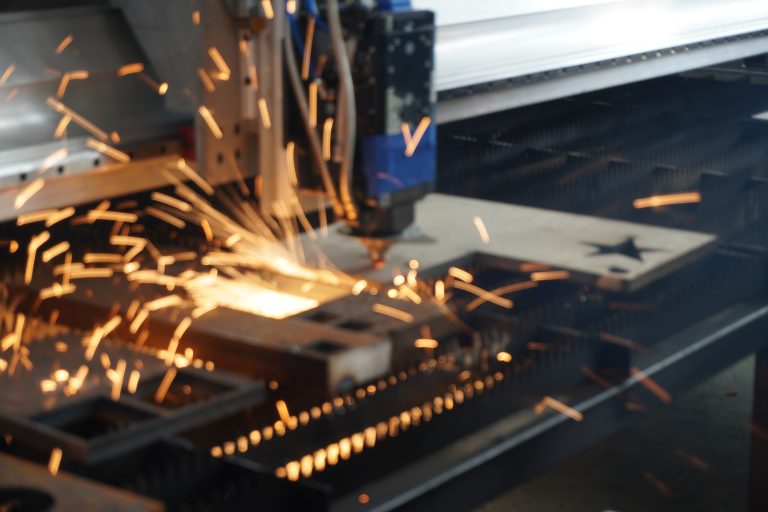
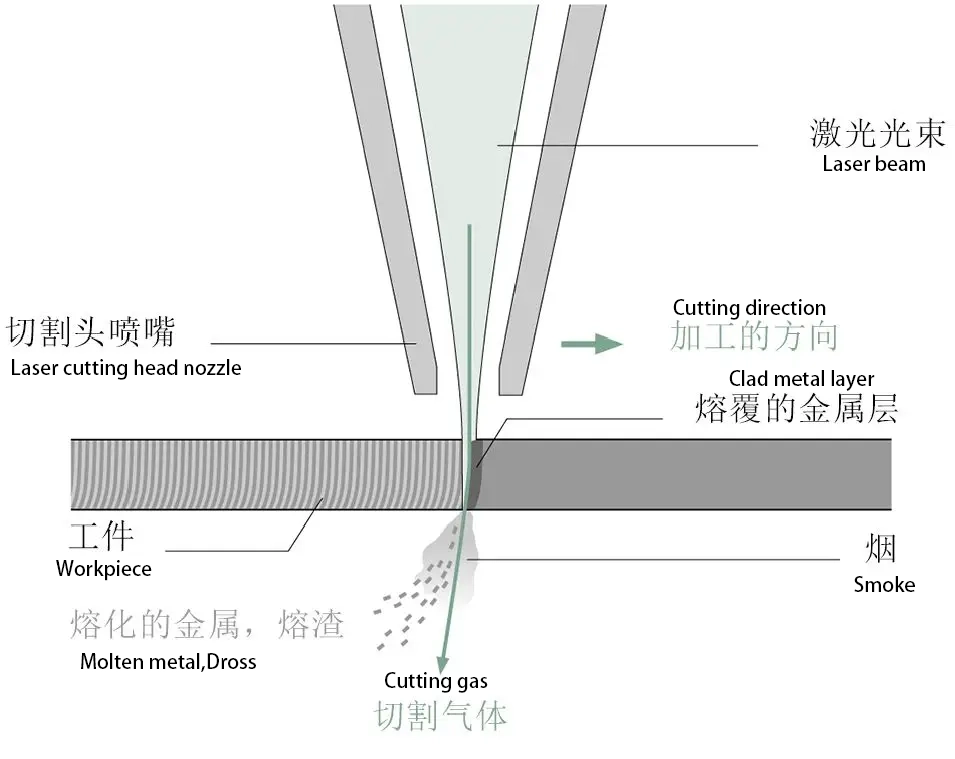
In nitrogen-assisted fusion cutting, the laser melts the metal and the gas jet pushes it out through the kerf. Nitrogen limits oxidation, which makes it a good starting point for visible stainless steel parts and for aluminum parts with a demanding edge specification. Inspect the underside for dross and check edge color on production samples. If the finish varies, review the laser cutting parameters that affect edge quality, including focus and nozzle diameter.
Compressed air for jobs that tolerate edge discoloration
Compressed air already contains oxygen, so some edge oxidation or discoloration can occur. It can make sense for thin sheet and parts whose edges will be cleaned in a later operation. Confirm that the compressor and air treatment system can deliver the flow, pressure and air quality specified by the machine builder during a full nest. Count compressor energy, filtration and any extra cleanup in the comparison.
Compare gases on a production nest
Use the same material grade, thickness and part geometry for each trial. Start with the machine builder’s cut recipe for each gas, then inspect holes, corners and long edges. Record cycle time, gas use, cleanup time and rejected parts. If marks start at the entry point, use the laser piercing troubleshooting guide to check the pierce separately from the cut.
When evaluating an exchange-table fiber laser cutter for sheet metal, ask for sample cuts in the grade and thickness you actually buy. Specify whether the part goes straight to welding, powder coating or assembly. Comparing the cost per accepted part after those steps gives you a better basis for choosing a gas than comparing cutting speed alone.
Technical references: Guangdong Laser Industry Association on assist gases and compressed air and Atlas Copco China on laser cutting gas supply.