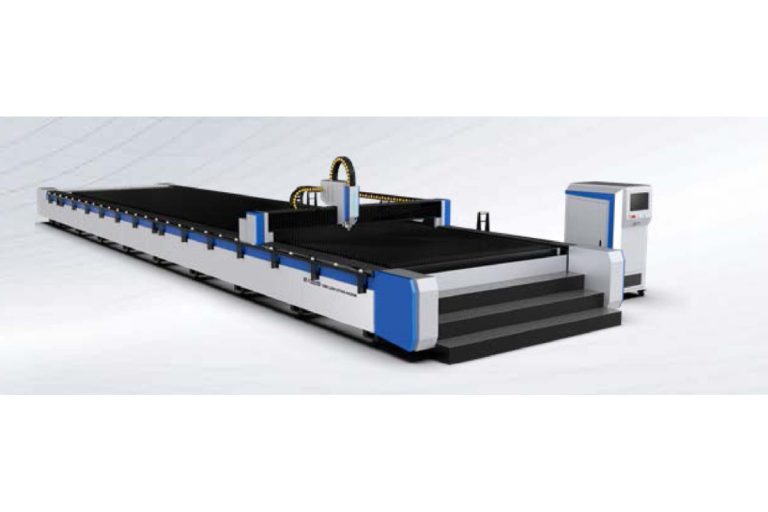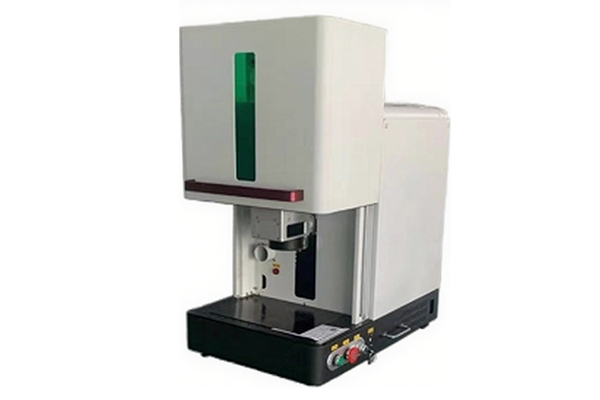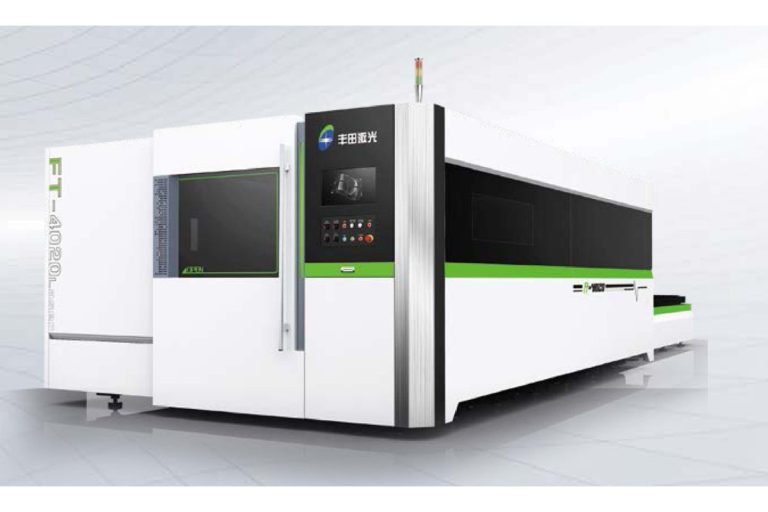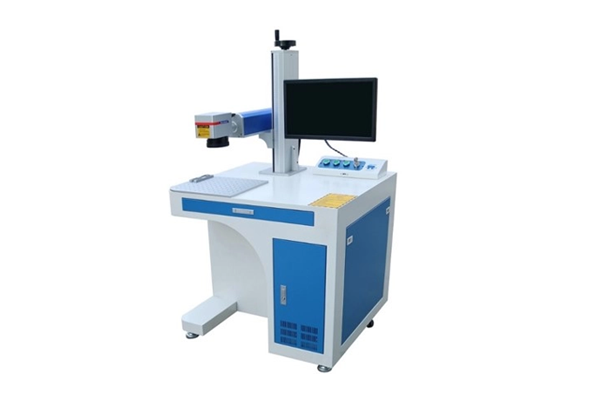
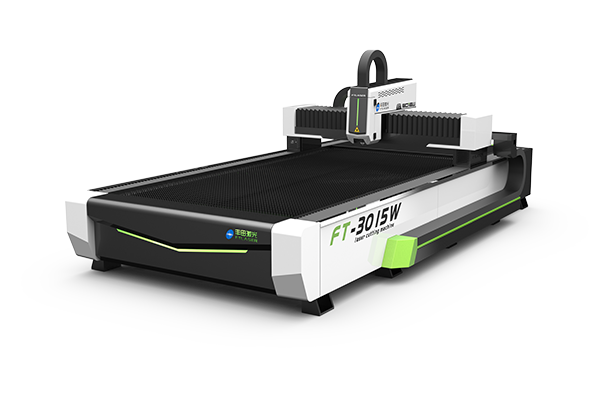
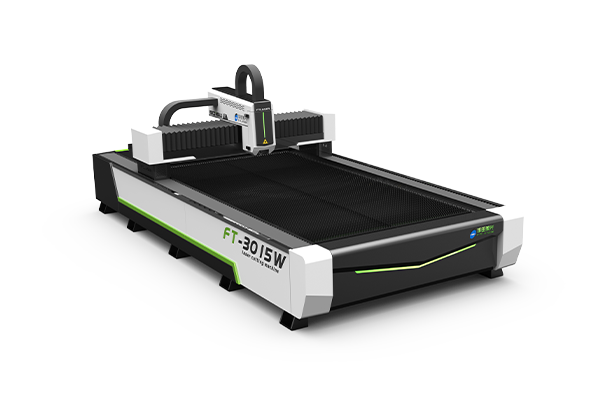
F3015 3000W Fiber Laser Cutter
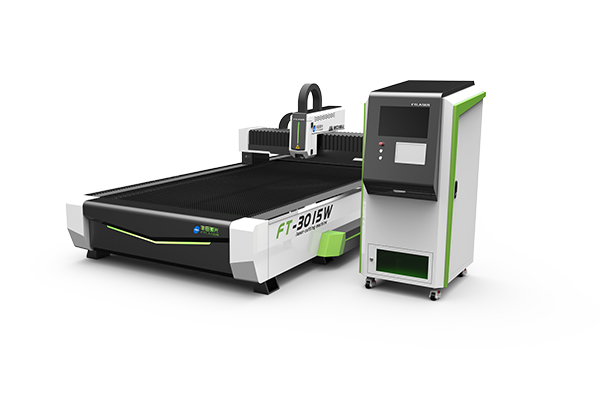
A single-platform sheet metal laser cutting machine for workshops producing panels, brackets, enclosures and other flat components. Evaluate the 3 kW configuration against your actual material mix, part drawings and finished-edge requirements.
| Model | F3015 |
| Laser power | 3000 W (3 kW) |
| Machine layout | Single platform; flat-sheet cutting |
| Configuration selection | Material, thickness and sample-cut requirements |
| Quotation | Request a configuration-specific proposal |
Product Overview
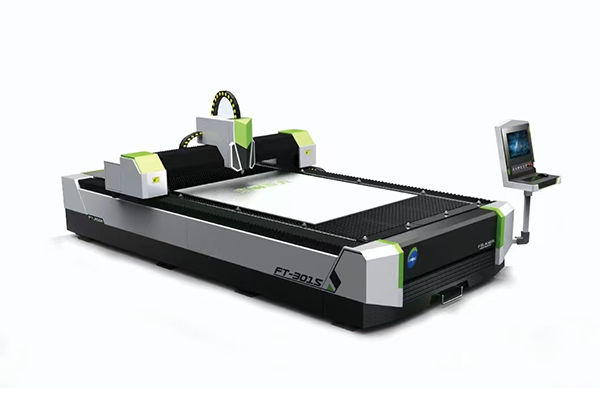
The F3015 3000W single-platform laser cutting machine is intended for flat-sheet fabrication. The open bed provides direct access for placing sheet and collecting cut parts. It suits buyers who want to assess a straightforward loading workflow for mixed orders, prototypes and repeat components. Loading and unloading remain part of the production cycle, so evaluate the complete job rather than laser-on time alone.
Use this machine as a starting point for a sheet-cutting proposal. Share the grades and thicknesses you process most often, the largest blank size, and the features that determine acceptance. A machine that produces a good straight edge must also meet the drawing at holes, corners, narrow webs and small profiles.
Which Materials and Parts Should You Test?
| Stainless steel panels | Assess edge discoloration, underside dross, small holes and any visible-face protection requirements. |
| Carbon steel brackets and profiles | Check dimensional fit and the edge preparation needed before welding or coating. |
| Enclosures and cabinet components | Review slots, bend-relief features, narrow ligaments and the fit after bending. |
| Other metals or coated sheet | Submit the exact alloy and surface condition for compatibility and process review before selecting a configuration. |
Cutting thickness is not determined by the 3000 W rating alone. Material grade, gas, nozzle, focus, geometry and the required edge finish all affect the usable process window. Request results for the thicknesses you buy regularly; a maximum separation cut is not a substitute for an accepted production part.
Choose the Configuration Around Your Work
Sheet size and handling. Confirm the usable cutting travel, maximum blank dimensions, permitted sheet load and loading method in the quotation. Include room for the operator, sheet storage, service access and safe part collection. The model name alone should not replace a dimensioned layout drawing.
Laser source, cutting head and control. Ask for an itemized configuration showing the laser source, cutting head, CNC control, nesting software and cooling package. Confirm software file compatibility, licensing, installation and training scope. Check that the proposed system supports your material and process requirements before approving the order.
Assist-gas supply. Nitrogen is a common starting point for stainless steel when edge oxidation matters; oxygen is frequently used for carbon steel when the downstream process permits an oxidized edge. Compressed air needs suitable treatment and a trial against the required finish. Review our guide to choosing oxygen, nitrogen or air for laser cutting before comparing gas packages.
Utilities and extraction. Request the required electrical supply and total connected load for the quoted machine and auxiliaries. The 3 kW laser rating is not the complete installation power requirement. Also confirm cooling, gas pressure and flow at the machine, extraction requirements and the environmental conditions specified for operation.
Single Platform or Exchange Table?
A single platform gives the operator direct access to one cutting bed. Material changeover and part sorting influence its output, particularly on short cutting cycles. Estimate the time for a full nest: load, position, cut, unload and sort. If changeovers regularly dominate the shift, compare the required workflow with an FT-E series exchange-table sheet metal laser cutter and review the additional space and handling requirements.
Sample Cutting and Acceptance Checklist
Send a representative production drawing rather than a decorative demonstration file. Include your normal sheet grade, thickness, tolerance and quantity, plus a note explaining whether the parts go to bending, welding, coating or direct assembly. Agree on the acceptance method before the trial.
| Part dimensions | Measure critical outside profiles, slots and holes against the drawing, including any agreed kerf compensation. |
| Edge quality | Inspect straight edges, corners, entry points and the underside for dross or damage. |
| Fit and downstream work | Check a mating part or bending sample where fit is important. Record any deburring or oxide removal required. |
| Cycle time | Record the full nest cycle and distinguish cutting time from loading, unloading and sorting. |
| Consumables and gas | Record the gas used and the nozzle and process setup so the trial can be compared with production. |
Retain an approved sample and its drawing revision as the reference for acceptance. If a trial requires extensive manual cleanup, include that labor in the comparison instead of reporting the cutting cycle alone.
Routine Care and Operating Costs
Build the operating budget around accepted parts. Consider assist gas, electricity for the complete installation, nozzles, protective windows, cooling-system care, extraction filters and operator time. The cheapest gas or fastest straight-line cut may not deliver the lowest cost after cleanup and rejection.
Follow the supplied maintenance schedule for the cutting head, cooling system, motion components, slats and extraction system. Use trained personnel for optical service and avoid opening optical assemblies outside the specified clean working conditions. Before changing a production recipe, record the original settings so a known process can be restored.
Plan laser-area controls, suitable guarding or screening, extraction and operator training for the final installation. Review these requirements before arranging the workshop layout and machine delivery.
Frequently Asked Questions
How thick can this 3 kW machine cut?
Request a cut review for your exact material, thickness and quality requirement. Approve production samples rather than relying on a universal thickness claim. Repeated small holes and intricate geometry can be more demanding than a simple outside profile.
Can it cut tube as well as sheet?
This page covers the single-platform flat-sheet configuration. Do not assume tube cutting or a rotary attachment is included. Submit tube dimensions and profile requirements separately if your work includes hollow sections.
Does a higher laser power always improve output?
Output also depends on nesting, piercing, part geometry, gas delivery and material handling. Compare a complete production nest at the required quality before deciding whether a different power level is justified.
What should I send for an accurate quotation?
Provide the material grades and thickness range, largest sheet size, drawings, monthly workload, required finish, destination, available electrical supply and any gas equipment already installed. Identify required installation, training and service items so quotations cover the same scope.
Request Your F3015 3000W Proposal
Send your drawings and material list through our laser cutting machine enquiry page. Ask for a matched configuration, sample-cut review, workshop layout and itemized supply scope. This gives your production and purchasing teams a practical basis for comparing the machine with your current process.