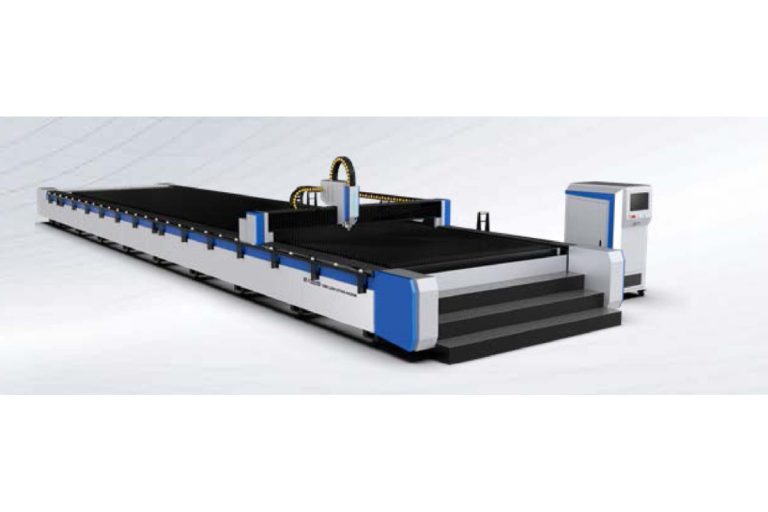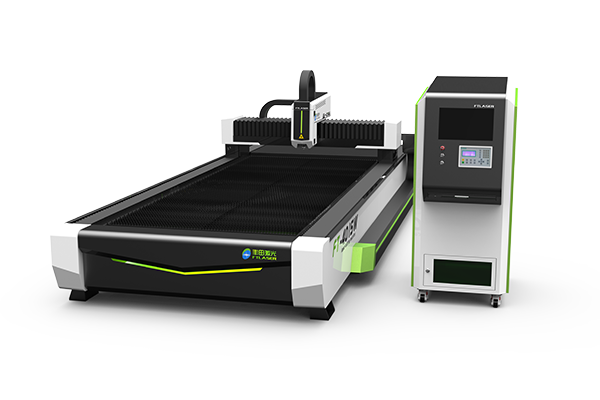
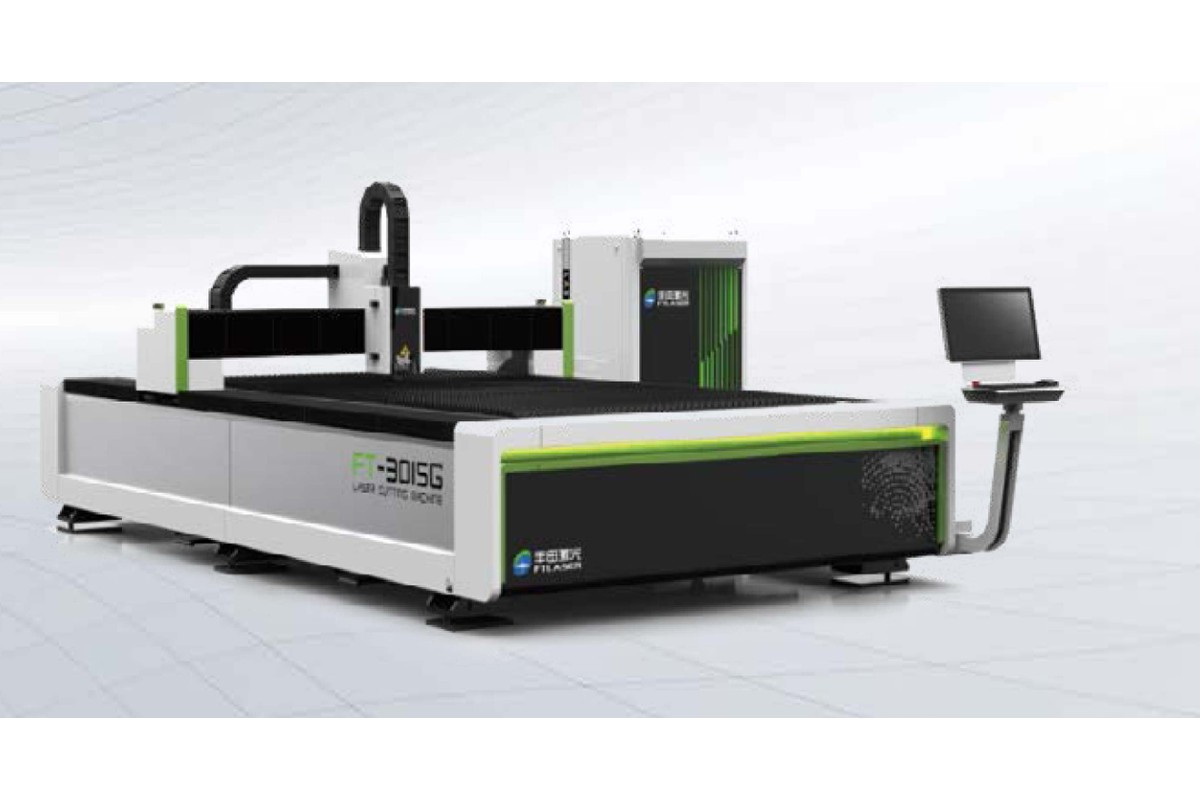
FT-3015G Fiber Laser Cutting Machine
The FT-3015G is an open-bed fiber laser cutting machine for sheet metal workshops that need direct access to the cutting table. Its 3030 x 1520 mm catalogue working area and 1.5-6 kW power choices provide a defined starting point for selecting a machine around your normal sheets and parts.
| Working area | 3030 x 1520 mm |
| Laser power options | 1500 / 2000 / 3000 / 6000 W |
| Maximum running speed | 100 m/min |
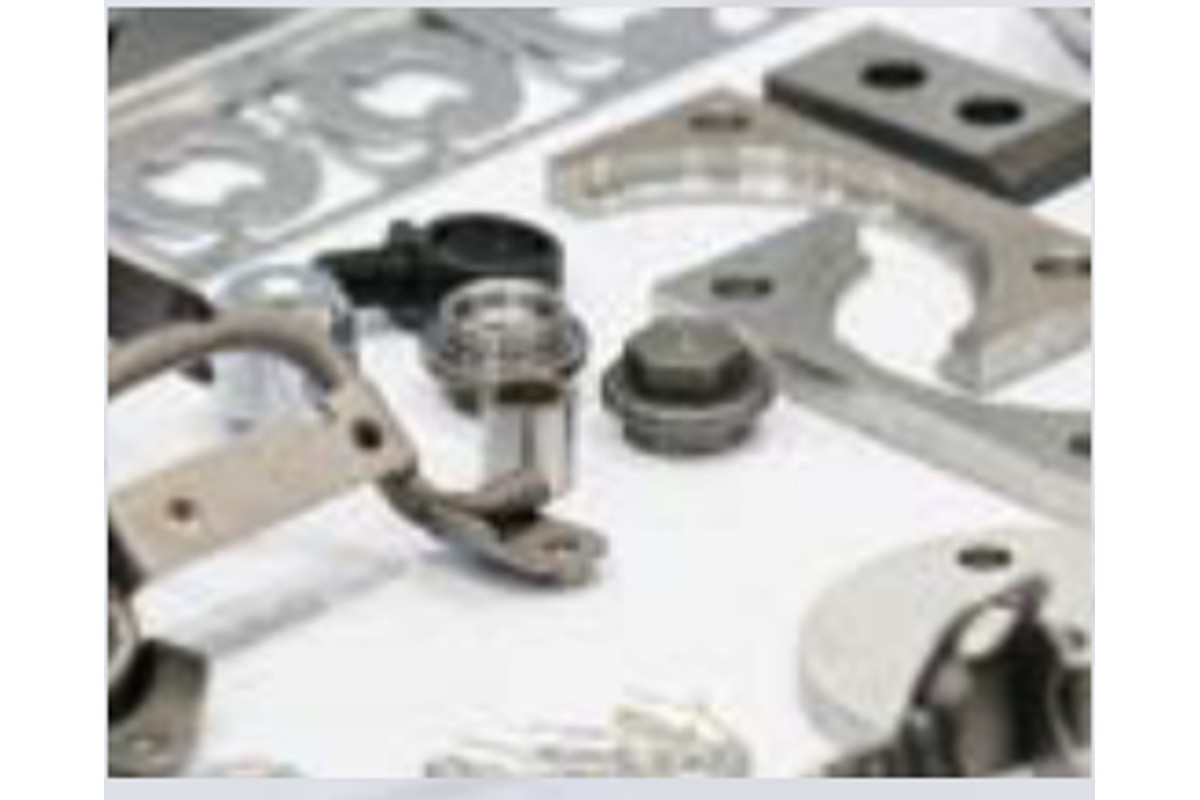
Images are taken from the product catalogue. Application examples illustrate possible component types; they are not sample-cut acceptance records.
Technical Specifications
| Working area | 3030 x 1520 mm |
| Laser power options | 1500 / 2000 / 3000 / 6000 W |
| Maximum running speed | 100 m/min |
| Maximum acceleration | 1.0 G |
| X/Y positioning accuracy | ±0.03 mm |
| Transmission | Gear rack |
| Listed machine weight | 1900 kg |
| Listed electrical supply | 380 V, 50-60 Hz; confirm order configuration |
Specifications above follow the catalogue configuration. Final dimensions, component selection and utilities must match the confirmed order. Running speed is not a guaranteed cutting speed; positioning accuracy is not a blanket finished-part tolerance.
A Practical Format for Mixed Sheet Metal Orders
The FT-3015G suits a purchasing review where the main jobs are flat panels, brackets, covers and enclosure blanks. Open access helps the operator see the sheet and arrange loading and part collection. Include those manual tasks in your output estimate: the quoted running speed describes machine motion, rather than a guaranteed cutting speed or number of finished parts per hour.
Begin with the largest blank you actually buy. A nominal sheet description is not enough when edge margins, clamps or positioning allowances reduce usable nesting space. Submit the sheet dimensions and a typical nest so that the proposed setup can be checked before you order. A workshop with mainly small panels may benefit more from a workable handling routine than from selecting the highest available laser power.
Choosing 1.5, 2, 3 or 6 kW
Choose laser power from your regular material grades, thicknesses and edge requirements. A low-volume job shop processing a varied mix needs a different comparison from a factory repeating one stainless steel panel all day. Request trials at the thicknesses that account for most of your cutting time, plus any occasional job that is essential to the business.
The highest thickness that can be separated is not necessarily a suitable production thickness. Examine holes, corners, entry points and the underside of the part. Record whether the edge needs deburring before assembly. For a specific 3 kW purchasing comparison, see our F3015 3000W single-platform machine selection page.
Materials, Assist Gas and Finished-Edge Requirements
Stainless steel and carbon steel are common sheet fabrication applications to submit for a sample-cut review. State the actual grade and surface condition, including protective film, scale or coating. Other alloys require a configuration and process check; do not assume that one recipe covers every metal simply because the sheet has the same thickness.
Nitrogen is often selected where oxidation on a stainless steel edge matters. Oxygen can be useful for carbon steel, but the resulting edge may need preparation before coating or welding. Air should be compared on accepted samples, including any additional cleanup. Our laser cutting assist-gas guide explains the process choices without treating any one gas as suitable for all jobs.
What to Check in a Demonstration Cut
Use a drawing that includes the features your team finds difficult: a small hole, a long edge, a tight corner and a narrow slot. Measure the critical features after the part has cooled using an agreed inspection method. Positioning accuracy is a machine specification; it should not be substituted for a finished-part tolerance on every material and shape.
Ask the demonstrator to record the material, gas, nozzle and processing settings together with the cutting cycle. Then add sheet loading, unloading and sorting time. Count only parts that meet the drawing. This makes the comparison useful for production planning and avoids basing a purchase on an attractive demonstration with no inspection record.
Installation and Everyday Running Costs
Request a dimensioned layout that includes the machine, control station, cooling unit, extraction equipment and service clearances. The open layout still needs suitable laser-area controls, screening, extraction and trained operation. Review these requirements with the installation plan rather than adding them after delivery.
The listed 380 V supply does not establish the total connected load. Obtain the electrical demand of the selected laser source and auxiliaries, plus the gas flow and pressure required at the machine. Your running budget should include gas, electricity, nozzles, protective windows, table slats, extraction filters and operator time. Confirm maintenance access and the consumables supplied with the order.
Questions Buyers Ask
Is 100 m/min the cutting speed?
No. It is the catalogue maximum running speed. Actual cutting speed depends on the material, thickness, geometry, gas and required finish. Request a cycle-time study on your own nest.
Can the machine cut tubes?
This product page describes flat-sheet cutting. Tube cutting needs a dedicated configuration and should be specified separately, including profile, wall thickness, length and chuck requirements.
How should I compare the quoted accuracy?
Agree on the measurement length, test method and acceptance drawing. Verify completed parts as well as the motion specification. Thermal effects, material condition and process settings can affect the result.
Request an FT-3015G Configuration
Send your sheet sizes, material and thickness list, representative drawings, monthly workload and destination through our machine quotation and sample-cut enquiry page. Include the electrical supply and assist-gas equipment you already have. Ask for an itemized proposal showing the selected components, layout, training and acceptance scope so that your team can compare complete installations.